
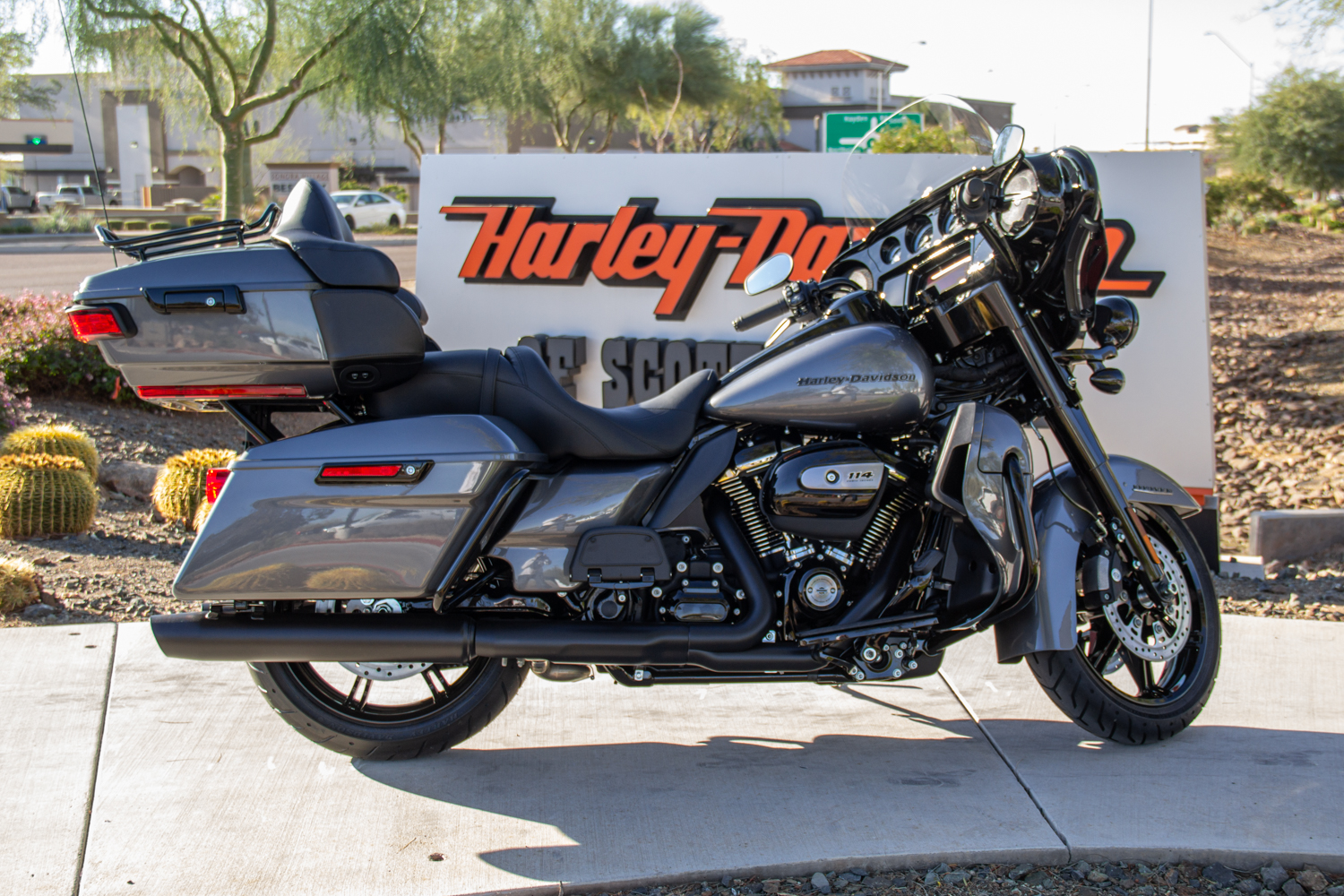
There is a particular kind of freedom that comes from pulling off the road at sunset, setting up camp in twenty minutes, and falling asleep listening to nothing but crickets and the cooling tick of your engine. Motorcycle camping strips adventure down to its essentials: ride, stop, sleep, repeat. No reservations, no check-in times, no hotel room that smells like the last guest's cologne.
The challenge is packing light enough that your bike handles well and you can actually reach your gear when you need it.
Every item needs to earn its place. Here is what that list looks like after years of trial, error, and sending things home from the road because they were not worth the space.
Shelter
Your tent is the largest single item you are carrying, so size and weight matter more than any other piece of gear. Look for a one or two-person backpacking tent that packs down to about 5 to 7 inches in diameter and 15 to 18 inches long.
That fits in a saddlebag or straps to the rear seat easily.
Freestanding tents (ones that do not require stakes to stand up) are better for motorcycle camping because you often camp on gravel, hard-packed dirt, or paved surfaces where stakes are useless. The tent should have a full rainfly for weather protection and adequate ventilation to prevent condensation inside.
Budget picks like the Kelty Late Start 1 or the Naturehike Cloud-Up 2 run $80 to $120 and pack small enough for motorcycle use.
If you can spend more, the Big Agnes Copper Spur HV UL1 is lighter, packs smaller, and sets up faster, but it costs around $350.
Sleep System
A sleeping bag and sleeping pad are your comfort foundation. Skimp here and you will not sleep, which makes the next day's riding miserable.
For three-season camping (spring through fall), a sleeping bag rated to 30 or 35 degrees Fahrenheit covers most situations.
Down bags pack smaller than synthetic but lose insulation when wet. Synthetic bags are bulkier but maintain warmth even if they get damp. For motorcycle camping where rain exposure is likely, synthetic is the safer choice.
A compact inflatable sleeping pad transforms rough ground into a comfortable bed. Avoid foam pads for motorcycle camping because they are too bulky to pack efficiently. An inflatable pad like the Klymit Static V or Therm-a-Rest NeoAir Xlite packs to the size of a water bottle and provides excellent insulation and cushion.
Pack your sleeping bag at the bottom of a dry bag or compression sack.
It should be the last thing you access when setting up camp, so it can go in the least accessible part of your luggage.
Cooking
A basic cooking setup for motorcycle camping is small, lightweight, and handles the essentials: boiling water for coffee and dehydrated meals, and basic pan cooking for anything fresh.
A compact canister stove like the MSR PocketRocket 2 or Soto Windmaster weighs under 3 ounces, screws onto a standard fuel canister, and boils water in about three minutes.
Pair it with a 750ml titanium pot that nests over the fuel canister to save space.
Bring a titanium spork, a small knife, a lighter, and a few essentials like salt, pepper, coffee, and sugar in small containers. Dehydrated backpacking meals (Mountain House, Peak Refuel) are the easiest option for dinners. Just add boiling water and eat from the bag.
If you want to cook beyond just boiling water, add a small frying pan (GSI Outdoors makes a nesting fry pan that fits over most camp pots).
Eggs, sausage, and grilled sandwiches are all possible with a basic pan and a little creativity.
Luggage System
How you carry gear matters as much as what you carry. An unstable, top-heavy load makes your motorcycle dangerous. Keep weight low and centered.
Saddlebags (hard or soft) carry the bulk of your gear on either side of the rear wheel. Balance weight evenly between left and right.
Heavy items go at the bottom. Soft saddlebags like Nelson-Rigg or Kriega systems are affordable and work on most bikes without mounting hardware.
A tail bag or dry bag strapped to the rear seat or passenger seat carries your tent, sleeping bag, and anything that does not fit in the saddlebags. Secure it with ratchet straps (not bungee cords, which stretch and shift). The center of the bag should sit as low and as far forward as possible.
A tank bag provides quick access to items you need during the ride: phone, wallet, map, snacks, camera. Magnetic tank bags work on steel tanks, while strap-on systems work on any bike.
Clothing and Personal Gear
Pack less than you think you need. You are on a motorcycle, not moving into an apartment. Two sets of riding clothes (one on, one packed), two sets of camp clothes (lightweight shorts, t-shirt, warm layer), and rain gear covers most trips up to a week.
A lightweight packable down jacket works as a camp insulation layer, a sleeping bag supplement on cold nights, and a pillow when stuffed into its stuff sack.
This one item serves three functions, which is exactly the kind of multi-use thinking that makes motorcycle camping work.
Bring a headlamp (hands-free lighting for camp tasks), a small first aid kit, sunscreen, bug spray, and basic toiletries. A microfiber towel dries you off and packs to the size of a fist.
Tools and Emergency Supplies
Carry a basic tool kit for roadside repairs: tire patch kit and CO2 inflators, a multi-tool, zip ties, duct tape, and spare fuses.
A small 12V air compressor that plugs into your battery is worth its weight in gold when you find a low tire 50 miles from the nearest gas station.
A phone charger that works from your bike's electrical system keeps your navigation and communication running. A USB port wired to the battery is the most reliable solution.
Packing Principles
Pack things in the reverse order you need them.
The tent and sleeping bag go deep in your luggage because you access them last. Rain gear goes on top or in an easily accessible pocket because you need it immediately when weather changes.
Use dry bags or stuff sacks in different colors to organize. Blue bag for sleep system, red bag for cooking, green bag for clothes. You will know exactly where everything is without unpacking your entire kit to find a spork.
Waterproof everything.
Even hard saddlebags leak in sustained rain. Line them with trash bags or use dry bags inside. There is nothing worse than arriving at camp with a wet sleeping bag.
Do a test pack before your trip. Load the bike in your driveway and take it around the block. Check for stability, secure attachment, and anything that rubs or shifts. Adjust before you are 200 miles from home.
Motorcycle camping does not require a lot of gear or a lot of money. It requires the right gear, packed intelligently, on a bike you trust. The simplicity is the point. Ride, stop, camp, sleep, ride again. That is the whole plan, and it is enough.